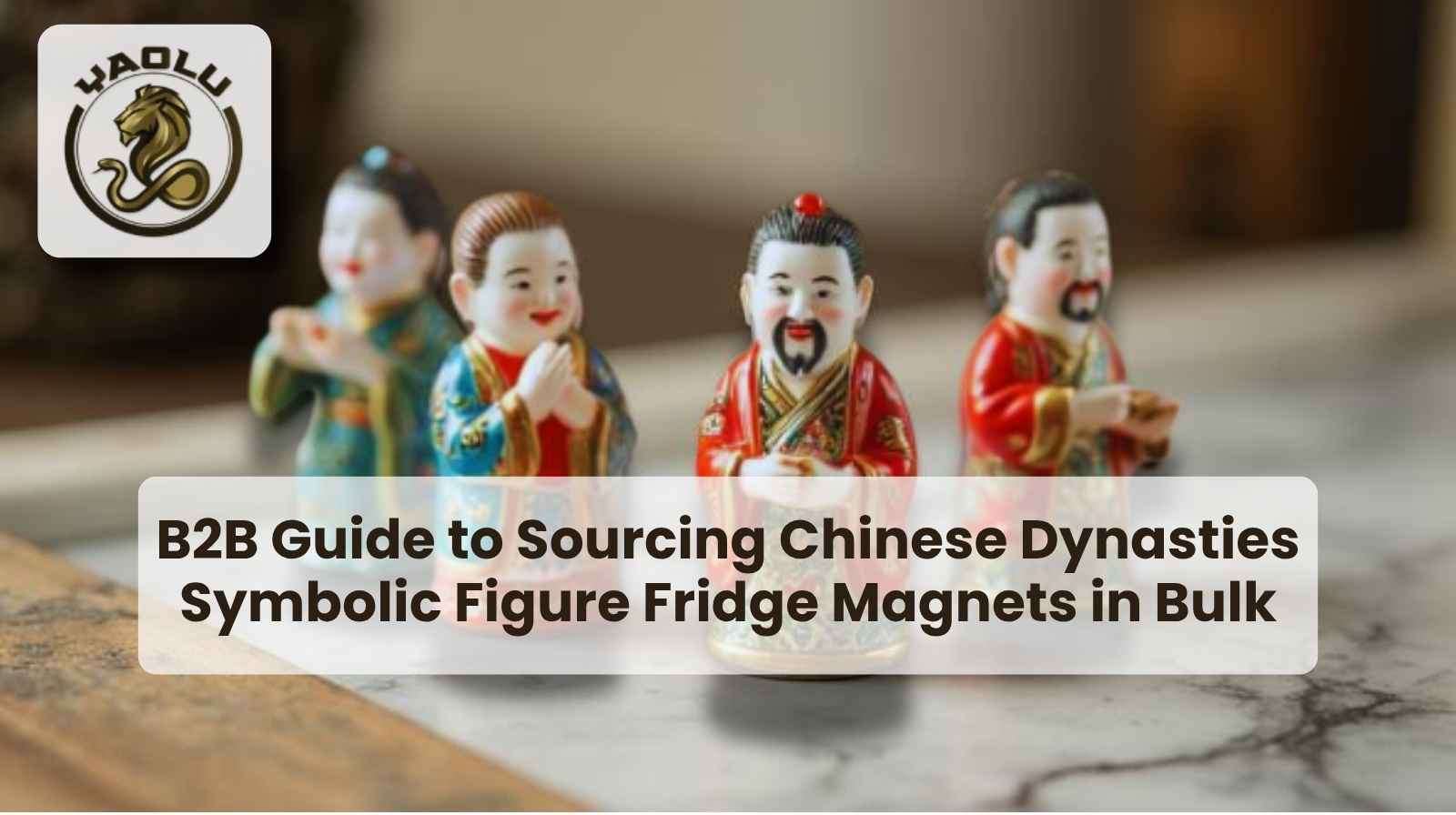
Cultural souvenir products are having a moment, and it’s not a small one. Globally, retailers are looking for items that are affordable, easy to display, easy to ship, and easy for customers to say “yes” to at the counter. Fridge magnets check every box, and historically themed designs push them from “nice trinket” to “giftable keepsake.”
Chinese dynasties symbolic figure magnets perform well because they carry story. Emperors, warriors, and royal guards instantly signal heritage, drama, and visual identity. Moreover, these motifs translate across markets: museum stores want educational relevance, airport shops want impulse-friendly souvenirs, and boutique gift stores want curated collections that feel premium without premium price shock.
You’ll know why these magnets sell, which dynasties and figures move fastest, how to choose the right materials for your channel, what customization actually matters, and which mistakes quietly erase margin. Additionally, you’ll get a pragmatic view of market trends so you can order what will sell next season, not what sold last year.
Cultural and Educational Value
Chinese imperial history is visually rich and instantly recognizable, even for shoppers who can’t name a dynasty on the spot. The silhouettes, robes, armor shapes, headwear, and palace motifs create strong “readability” from three feet away. Consequently, these magnets work in busy retail environments where a product has seconds to earn attention.
Buy Chinese Dynasties Themed Fridge Magnets at Wholesale Rates
For museums, schools, and cultural gift shops, dynasty-themed magnets also function as “micro-learning.” A customer buys a small object, then takes home a reference point for a larger story. Unless the design is generic, it can spark curiosity and reinforce exhibit themes, field trips, or cultural programming. That’s why well-labeled packaging and a short back-of-card description can lift conversion without changing the magnet itself.
There’s also a premium cue hidden in heritage themes. A magnet that looks like a miniature artifact feels more collectible than a flat graphic, which supports higher price tiers for 3D resin or die-cast styles.
Strong Tourist and Souvenir Demand
Tourism retail rewards products that are compact, lightweight, and universally understood. Dynasty figure magnets fit the travel reality: they slip into carry-ons, survive the trip, and don’t require sizing or complex decision-making. Furthermore, they encourage multi-buy behavior when presented as a series.
Airport souvenir stores display only those items that grab attention and look striking. Trending design elements consist of bold 3D sculpts, metallic finishes, and bright enamel-like colors that look attractive in bright lighting. Museum gift shops often prefer to display designs that convey authenticity. These figure magnets include tasteful detailing, and historically inspired patterns.
Cultural exhibition resellers sit in the middle. They want designs that complement event branding and rotate quickly, especially if the exhibition is time-bound. Consequently, limited-edition runs and dated backer cards can perform unusually well in that channel. Small object. Big appeal.
Popular Dynasties for Magnet Designs
Han Dynasty designs tend to resonate because they connect to “foundation era” storytelling and classical aesthetics. Visually, Han-inspired motifs can lean toward elegant, grounded forms rather than overly ornate surfaces. In retail terms, Han styles often work as “entry level’ designs that have a more universal appeal and
Ming Dynasty themes often sell through craftsmanship signals. During this era of Chinese history there was a boom of refined decorative arts and the fridge magnet designs reflect that by having elaborate designs with structured silhouettes. Ming-inspired magnets can be positioned as tasteful, collectible, and “designed,” which helps in museum stores and higher-end souvenir boutiques.
Qing Dynasty designs often win on immediate recognition. The visual appeal appears in court attire, headpieces, and strong iconography and interests tourists a lot. Additionally, Qing-style magnets can support bolder colors and more dramatic sculpting, which is useful for impulse displays and airport environments.
From a sourcing angle, the dynasty you choose should match your channel. If your buyers want to learn a bit about Chinese culture Han and Ming can feel “museum-safe.” If your buyers want visual punch and quick recognition, Qing often delivers that easily.
Emperors are the central star of any fridge magnet lineup. They signal authority, history, and grandeur. Emperors also allow for a strong front-facing pose. This pose helps in shelf displays because magnets are usually displayed flat on racks or boards. Consequently, emperor designs typically become your core SKU that carries the collection.
Warriors bring energy and movement. They appeal to younger shoppers and gift buyers looking for something more dynamic than a formal portrait. Moreover, warrior magnets allow for more design diversity since the design can be changed by depicting different weapons, armor patterns, and stances without confusing the theme. That is why crafting a whole series is easier with warrior figures.
Royal guards sit in a sweet spot: ceremonial, iconic, and highly stylized. Guards work well as supporting SKUs to complete a set. They also enable “pairing” strategies, such as emperor plus guard, or warrior plus guard, which drives multi-unit sales.
Material Options
Material is not only a cost decision. If you look at it holistically it is a merchandising decision, a durability decision, and a returns-rate decision. Additionally, it affects perceived value, which impacts what your customers will pay and how your retail partners will position the product.
Best PVC Soft Magnets for High-Volume Sales
PVC soft magnets are a reliable workhorse for volume programs. They’re lightweight, flexible, and typically resistant to minor drops and scuffs. PVC also supports bold color fills and clean outlines, which is useful for simplified dynasty character designs. Consequently, PVC is often the right choice for high-traffic souvenir shops and mid-price ranges where sell-through matters more than artisanal texture.
That said, PVC can feel “flat” if the tooling is basic. If you choose PVC, push for layered relief, crisp line edges, and a clean color standard. Otherwise, the product can look like a generic cartoon rather than a cultural collectible.
Premium Resin 3D Magnets for Visual Appeal
Resin 3D magnets are the visual winner when you want sculpted detail. In resin 3d Facial features, clothing folds, and armor texture, can be crafted in richer detail than in a flat material. Moreover, resin is a medium that supports hand-painted looks, and hand painted designs have a premium value in the market and sell for higher prices.
Resin does require stronger quality control. Paint consistency, surface bubbles, and breakage during transit are common issues unless packaging is designed properly and drop-tested. If you are targeting museum shops or premium gift retail, resin is usually worth it, but only if your supplier can hold paint standards across lots.
Premium Metal Die-Cast Magnets for light Weight feel
Metal die-cast magnets deliver a “heft” cue that customers associate with quality. The feel in hand matters at the point of purchase, especially for gifting. Die-cast also enables plated finishes—antique gold, bronze, brushed silver—that pair nicely with imperial themes. Furthermore, metal tends to photograph well for e-commerce, which helps distributors and online gift shops.
Metal can add shipping weight and can scratch if packed poorly. It also requires careful attention to magnet strength and backing to avoid wobble or rotation on glossy surfaces.
Wooden Engraved Magnets – Eco & Artistic Appeal
Wooden engraved magnets are crafted to appeal to the eco-forward audience that wants artistic appeal. Wood material conveys warmth and showcase craftsmanship. The carving is so detailed that only minimal color is needed for making the magnet appear elegant. Additionally, wood designs can be positioned as “modern heritage,” which plays well in boutiques and design-forward museum shops.
Wood has its own risks. This means inconsistent grain quality. Another issue is swelling and warping of wood by exposure to humid conditions. Moreover, finish quality is hard to maintain in various designs. If you choose wood, be clear about specifications like moisture control, sealant type, and the grain standard. Otherwise, you’ll receive a “collection” that looks like it came from five different forests.
Private Label and Branding
Private label is not just adding a logo. It’s building a system that makes reordering easy, reduces channel conflict, and protects your margins.
Logo printing works best when it is subtle and integrated. A loud logo on the front can reduce perceived authenticity, especially for museum and cultural stores. Consequently, many successful programs place branding on the backer card, the packaging, or the backside stamp of the magnet rather than on the face design.
Custom packaging is where most B2B buyers win or lose. The right card size improves peg display efficiency. The right color palette increases series recognition. The right copy turns an object into a story. Moreover, packaging is your best tool to communicate dynasty name, figure title, and a short educational line without cluttering the magnet design.
Barcode labeling should be treated as operational hygiene, not an afterthought. If you sell to retailers with POS systems, consistent UPC placement and scan reliability reduce receiving friction. Additionally, barcodes help you track sell-through by SKU if you run multiple dynasties or material tiers.
A practical play: standardize packaging structure across the whole dynasty series, then vary artwork and copy by SKU. That keeps tooling and printing efficient while still making each item feel distinct.
Exclusivity is a strategic lever, especially for distributors and chain buyers who want differentiation.
Customized dynasty characters for specific markets can reflect local customer preferences. In some regions, shoppers prefer bold, colorful figures that feel playful. In others, they prefer subdued, artifact-like tones that feel “museum-grade.” Consequently, the same emperor design can be recolored, re-finished, or slightly reposed for different channels without creating a new sculpt from zero.
Limited edition seasonal releases also have a high selling potential because they are low-commitment collectibles. For example, a “festival-themed” packaging sleeve, a small accessory element, or a colorway shift can create scarcity without expensive redesign. Furthermore, seasonal drops encourage repeat purchases from the same retailer, which is exactly what you want if you’re building a long-term program.
If you pursue exclusives, clarify one thing early: what counts as “exclusive.” Is it the exact figure sculpt, the colorway, the packaging, or the full combination? The supplier and the buyer must share the same definition, or you’ll discover a “similar but different” version in another market at the worst possible moment.
Ignoring sample testing is the classic error. A pre-production sample should be tested for paint rub, surface scratches, magnet adhesion strength, drop resistance, and packaging durability. Moreover, check color under different lighting, because showroom lighting can be forgiving while retail lighting can be brutal.
Not clarifying mold ownership is a quiet business risk. If you pay for tooling, define who owns it, who can use it, and what happens if you stop ordering. Consequently, mold ownership should be written into your purchase terms, not implied in email threads. If you want long-term differentiation, you need control over the tools or at least contractual exclusivity.
Overlooking packaging compliance will cost you once you start selling in different regions. Some markets require specific labeling, language requirements, or materials declarations, and retailers may impose their own packaging rules. Additionally, packaging is more than lookin good visually, it should be strong enough to survive transit and store handling,. If your magnets arrive with scuffed paint because the inner tray was wrong, the “design” becomes irrelevant.
Failing to negotiate shipping consolidation is a logistics tax that hits hard at scale. Magnets are small, but packaging volume adds up fast. Consequently, consider consolidating multiple SKUs, materials, or even different product categories into one shipment window, especially if you are launching a series. Freight efficiency can be the difference between a profitable line and a line that “sells well” but doesn’t make money.
Trends matter in magnets because the category thrives on novelty and collecting.
Rise of 3D Sculpted Historical Magnets
3D is winning because it reads as premium at a glance. Sculpted depth creates shadows, texture, and a “miniature artifact” feel that flat prints can’t match. Moreover, 3D supports higher price points without needing larger size, which protects shelf space and improves revenue per peg.
If you’re sourcing 3D, focus on sculpt quality and paint color consistency. A great sculpt with sloppy paint still looks cheap. Conversely, a clean paint job on a mediocre sculpt only highlights the faults.
Eco Friendly Materials Trend
Eco positioning is moving from niche to expectation in many markets. Wooden engraved magnets and recycled packaging are the obvious plays, but the deeper opportunity is reducing plastic-heavy blister packs and shifting to paper-based display cards with secure, minimal plastic elements. Additionally, water-based inks and responsibly sourced paper can become part of your retailer pitch.
Be careful with vague claims. If your packaging says “eco,” retailers may ask what that means. Consequently, align your messaging with what you can prove through supplier documentation, not what sounds good on a hangtag.
Collectible Series Packaging Strategy
Series packaging is a sales engine that keeps on generating revenue. When shoppers see a consistent theme based lineup with multiple products, they are encouraged to buy the whole theme and complete a collection. Even in gifting a consistent themed collection has a higher value. So you are bound to see an increase in basket size if you make a collectible series part of the display. Moreover, series packaging simplifies merchandising for retailers because it looks organized on racks.
A practical structure is to create a dynasty set with a consistent header, then differentiate each figure with color blocks, figure names, and a simple “Series 1, Series 2” marker.
Sourcing Chinese dynasties symbolic figure fridge magnets in bulk is not complicated, but it is precise work. The winners align design themes with channel needs, choose materials that match durability and price targets, and use packaging as a selling tool rather than an afterthought. Moreover, they treat sampling, tooling terms, and logistics planning as profit protection, not paperwork.
If you build a tight dynasty series: clear figures, consistent packaging, controlled quality, and a modest layer of storytelling; you get something rare in souvenirs: a product line that can scale without losing its charm. And yes, charm matters.
Yes — wearing gold and silver together is not a styling mistake. The idea that you have to commit to one metal
READ FULLCultural souvenir prod
READ FULL